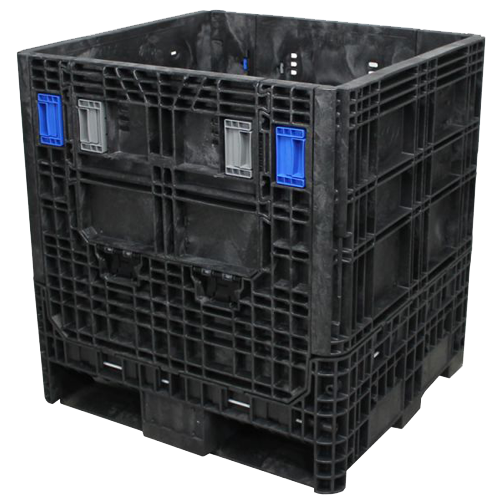
Understanding Leasing Setups for Bulk Plastic Containers: What You Need to Know
Leasing mass plastic containers can be a tactical selection for organizations wanting to manage expenses and performance. Guiding via the complexities of leasing agreements requires cautious consideration. Secret aspects such as lease period, repayment structures, and upkeep obligations must be thoroughly assessed. Furthermore, potential hidden charges and the lessor's track record play crucial duties in creating reliable partnerships. Comprehending these elements is essential for making informed choices in an ever-evolving market landscape. What aspects should one prioritize to ensure a successful leasing plan?
The Advantages of Leasing Bulk Plastic Containers
Leasing mass plastic containers uses a pragmatic option for companies seeking effectiveness and cost-effectiveness. This technique enables firms to accessibility top notch containers without the substantial ahead of time financial investment commonly connected with getting. By renting, companies can allocate financial sources better, concentrating on core operations rather than hefty capital investment. Additionally, leasing arrangements typically consist of maintenance and assistance services, ensuring that containers remain in peak condition and decreasing the burden on internal resources.
On top of that, renting provides versatility, allowing firms to adjust their container inventory according to rising and fall demand (Bulk Plastic Containers). This versatility can lead to enhanced supply management and decreased waste. Moreover, leasing can promote access to the most recent container innovations, assisting organizations remain competitive in a rapidly transforming market. Ultimately, the benefits of leasing mass plastic containers can boost functional efficiency, enhance cash money flow, and support lasting methods, making it an eye-catching choice for different markets

Trick Considerations When Choosing a Leasing Contract
What factors should businesses take into consideration when choosing a leasing contract for bulk plastic containers? Firms ought to review their details needs, including the type and quantity of containers needed, to make specific the arrangement aligns with functional needs. Next off, the lease period is important; organizations should determine if a long-lasting or temporary lease finest matches their supply turn over and usage patterns.
Cost is an additional significant consideration; companies ought to evaluate the complete expense of leasing, including any kind of hidden costs or fees. Furthermore, they ought to evaluate the distributor's track record and integrity, as a reliable companion can influence the general leasing experience.

Adaptability likewise plays a vital role; companies might take advantage of agreements that permit modifications in container amounts based on changing needs. Reviewing maintenance and support options offered by the leasing business is important to ensure operational continuity and minimize interruptions.
Comprehending Leasing Conditions
A complete understanding of leasing problems and terms is vital for companies to navigate the intricacies of leasing bulk plastic containers efficiently. Leasing contracts generally include key components such as lease duration, settlement frameworks, maintenance obligations, and discontinuation provisions. Companies should thoroughly review the lease period to ensure it lines up with their operational requirements, whether short-term or long-term. Payment structures might differ, consisting of quarterly or monthly settlements, and understanding these can considerably impact capital. Upkeep duties have to be plainly specified, as they establish that is answerable for repairs and maintenance during the lease period. Additionally, discontinuation conditions can state conditions under which the lease can be finished prematurely, which is vital for businesses anticipating possible modifications in need. By extensively assessing these terms, companies can make educated choices that align with their tactical objectives and functional demands.

Typical Mistakes to Avoid in Leasing Program
While handling leasing plans for bulk plastic containers, companies frequently experience usual pitfalls that can result in pricey errors - Bulk Plastic Containers. One significant problem is stopping working to thoroughly understand the lease terms, which can result in unforeseen costs or responsibilities. On top of that, ignoring the value of correct container maintenance might bring about expensive repair services or penalties for problems. Another regular blunder is not reviewing the complete price of the lease, consisting of surprise charges such as insurance coverage or transport
Organizations might also overlook to analyze the owner's reputation, risking collaboration with an unreliable company. In addition, ruling out the flexibility of lease terms can prevent functional adaptability. Lastly, poor documentation of the leasing contract can create disputes, resulting in legal or economic problems. By identifying these challenges, businesses can much better prepare themselves to browse renting plans much more efficiently and stay clear of damaging repercussions.
Tips for Negotiating the most effective Lease Terms
Exactly how can organizations protect one of the most positive lease terms for mass plastic containers? Initially, they need to carry out extensive marketing research to comprehend dominating rates and terms. This understanding empowers them to negotiate with confidence and recognize competitive deals. Next off, companies can leverage their getting volume to negotiate better prices, highlighting long-lasting plans that may profit both parties.
Additionally, they should carefully review lease agreements, paying very close attention to stipulations concerning maintenance, insurance coverage, and charges for early discontinuation. Engaging legal advice for a comprehensive testimonial can stop costly misunderstandings.
Businesses should continue to be open and versatile to discussing alternative terms, such as extensive lease durations for minimized regular monthly prices. By approaching settlements with prep work and a willingness to endanger, companies can protect lease terms that align with their functional requirements while decreasing prices.
Often Asked Concerns
Exactly how Do I Establish the Right Amount of Containers to Lease?
To figure next out the ideal amount of containers to lease, one ought to assess current inventory requirements, projection demand variations, consider preparations, and represent storage restrictions, ensuring an ideal balance in between supply and operational efficiency. plastic bulk containers.
Can I Customize the Containers to Satisfy My Certain Demands?
Yes, customization of containers to satisfy specific demands sites is commonly possible. Several leasing firms provide options for alterations, allowing customers to customize shades, features, and sizes, ensuring the containers align with operational needs and choices.
What Takes place if I Required to Return the Containers Early?
The leasing agreement might stipulate charges or fines if containers are returned early. The firm might review the problem and usage, potentially readjusting prices based upon the remaining lease term and pre-established terms.
Are There Any Type Of Maintenance Duties for Leased Containers?
Leased containers usually call for the lessee to preserve them in excellent problem, resolving small wear and tear. Significant repair work typically fall under the lessor's responsibilities, yet specifics can differ based upon the leasing agreement.
How Is the Leasing Rate Structured Over the Agreement Duration?
Leasing rates are commonly structured based on the period of the contract, frequency of payments, and container specifications. Added variables, such as upkeep and insurance expenses, might additionally influence the overall prices setup over time.